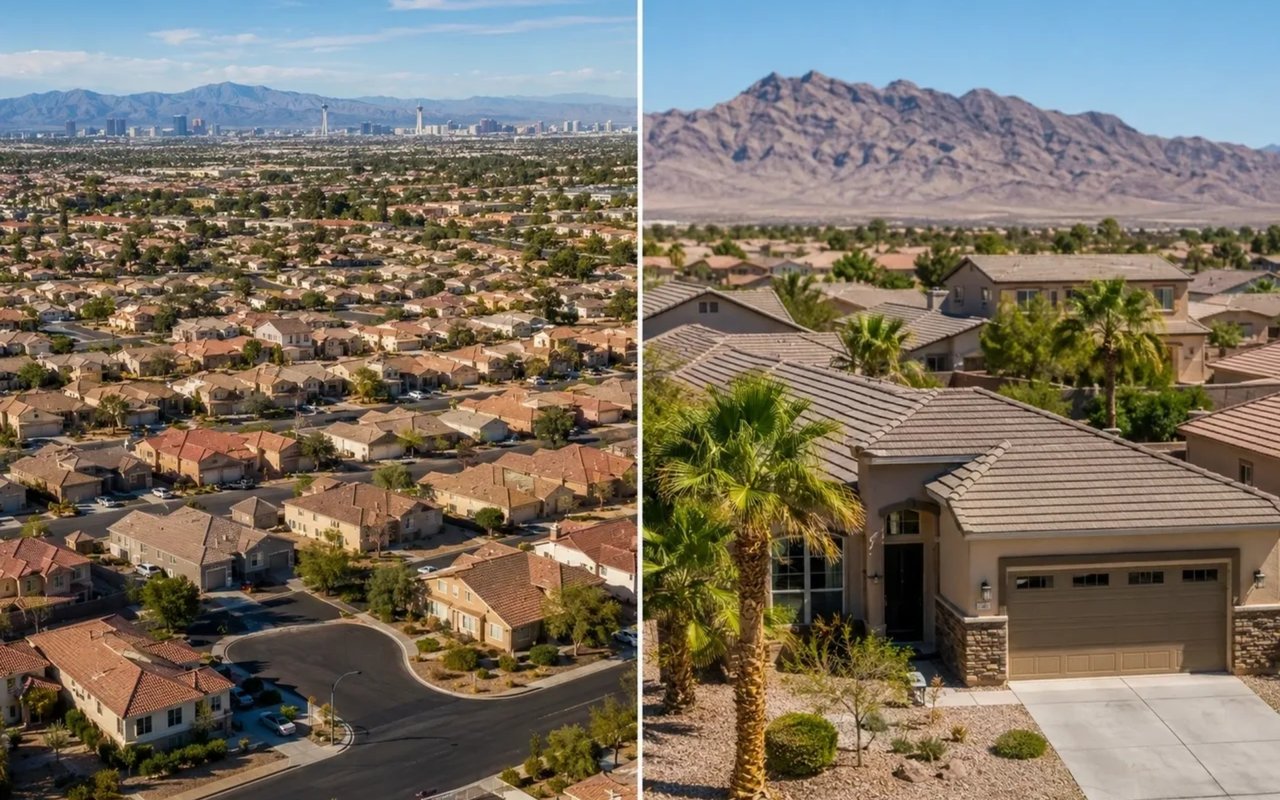
Understanding the different types of homes and the factors that influence their prices helps you make informed decisions. Real estate markets are influenced by numerous factors that impact property costs, including location, size, layout, age, condition, and unique features.
From single-family homes to condos and townhouses, each type has its features and price ranges. This guide explains these factors to help you understand property values and find the right home for your budget and needs.
Types of Homes and Their Characteristics
Different types of homes offer unique features and benefits. Single-family homes are standalone houses that offer privacy and a private yard, but they require more maintenance. Townhouses are multi-level homes that share walls with neighbors, providing more space than condos while fostering community connections.
Condominiums let you own your unit while sharing common areas, such as pools and gyms, with other residents. Co-ops work differently - you buy shares in a company that owns the building, giving you more control but also more responsibilities. Knowing these differences helps you pick the right home type for your lifestyle and budget.
Location and Neighborhood Influences
Where your home sits affects its value more than almost anything else. Homes near good schools, parks, shopping, and public transportation cost more because people want to live in these areas. Safe neighborhoods with low crime rates consistently have higher property values than those in high-crime areas.
Plans for the area matter too - new shopping centers or schools can boost home values, while industrial development might lower them. Property taxes and city services also play a role in what people will pay. Smart buyers research the neighborhood thoroughly before making an offer, considering both current conditions and potential future possibilities.
Size and Layout Considerations
Home size directly affects price - bigger homes cost more than smaller ones. But layout matters just as much as total square footage. Open floor plans are popular right now because they make spaces feel larger and work better for modern living. Homes with smart layouts that use space well attract more buyers and can sell for higher prices.
A small home with a great layout might cost more than a larger home with poor design. Consider how the space flows and whether it aligns with how people live today.
Age and Condition of the Property
A home's age and condition greatly impact its price and future value. Older homes might have character and charm, but they often need more repairs and updates. Well-kept older homes can still be valuable, especially if they have historical importance or unique features.
Newer homes typically cost more because they often feature modern systems and require fewer repairs immediately. Recent renovations and upgrades can increase the value of any home, regardless of its age. Before buying, inspect the home's structure, maintenance history, and identify any necessary improvements.
Amenities and Additional Features
Special features and amenities can significantly increase a home's value. Smart home technology, including automated lights, security systems, and energy-efficient appliances, is very popular among today's buyers. These features can add 5% to 25% to a home's value compared to similar homes without them.
Luxury items, such as pools, home theaters, and outdoor kitchens, attract buyers willing to pay premium prices. When considering these extras, consider both the upfront cost and the value they'll add when you sell. Some amenities pay for themselves, while others are just nice to have.