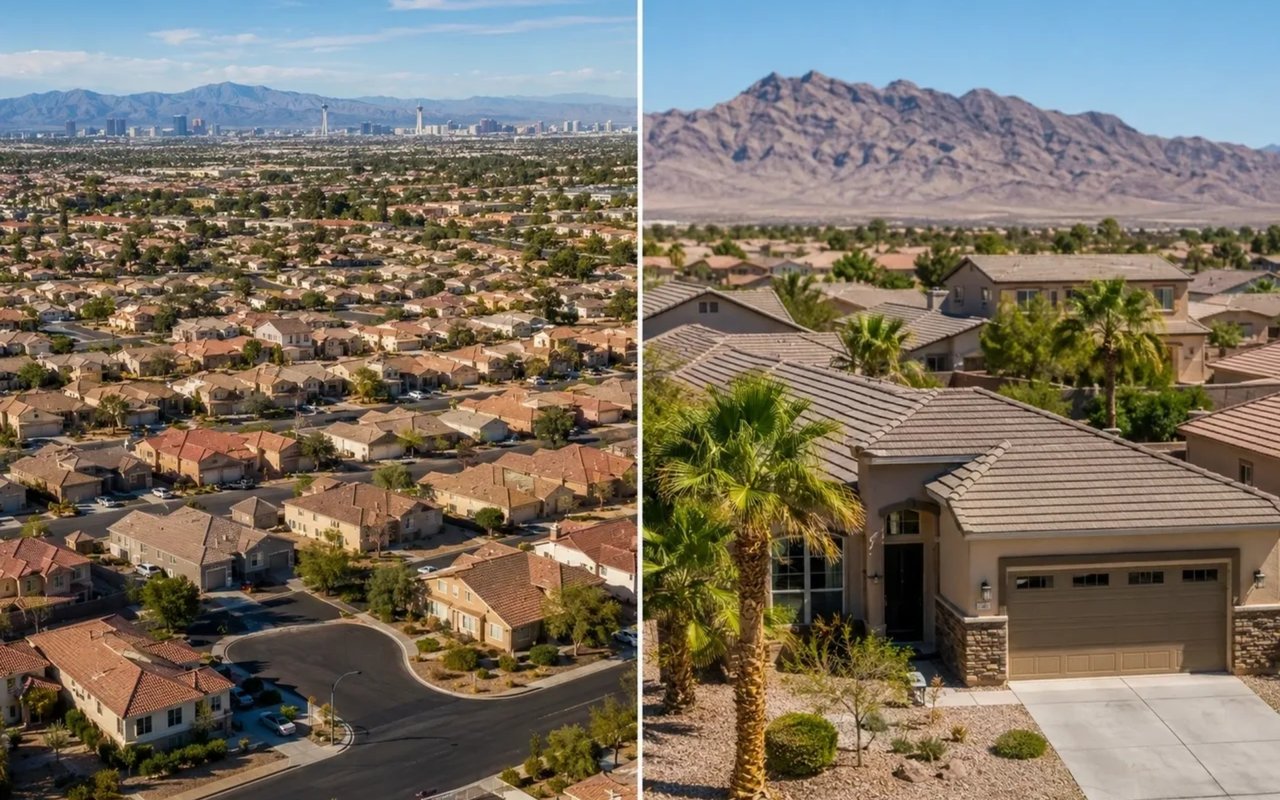
Buying an investment property requires a structured approach that combines research, financial planning, and market knowledge. A real estate investor evaluates location, property value, and rental potential before making a purchase decision. Entities like property management companies, mortgage lenders, and home inspectors play a crucial role in this process.
By following specific steps, from defining your investment goals to closing the deal, you can confidently enter the real estate market and build a portfolio that generates consistent returns. Partnering with an experienced real estate broker in Las Vegas can help you identify opportunities that align with your financial objectives.
1. Define Your Investment Goals
The first step in buying an investment property is identifying what you want to achieve. Your goals determine whether you should pursue rental income, property appreciation, or both. For example, an investor targeting stable monthly cash flow might look for rental properties in established neighborhoods, while someone focusing on long-term appreciation might consider up-and-coming areas.
When setting goals, assess your budget, risk tolerance, and timeline. Tools like ROI calculators and local rental yield reports can help you forecast potential earnings and expenses. Clear, measurable goals create a solid foundation for every decision that follows.
2. Research the Right Market
Choosing the right location is one of the most important aspects of real estate investing. Begin by researching cities or neighborhoods with population growth, low vacancy rates, and strong job markets. Reviewing data from credible sources such as Zillow, Realtor.com, or local housing reports can reveal emerging investment hotspots.
Look into factors like average rent prices, property appreciation trends, and local development plans. Investors who study the market closely are better equipped to spot undervalued opportunities and avoid regions with declining demand.
3. Analyze Property Listings Carefully
Once you’ve chosen a target area, the next step is to analyze available property listings. Focus on key details such as asking price, property condition, expected rent, and annual costs like maintenance and taxes.
You can also use investment analysis platforms, like Roofstock or Mashvisor, to estimate rental income and cap rates. Comparing similar listings in the same area helps ensure you’re paying a fair price and that your potential return aligns with your investment strategy.
4. Inspect the Property Thoroughly
Before making an offer, always conduct a comprehensive inspection. Even newly built homes can have hidden issues that affect long-term profitability.
- Exterior Check: Examine the roof, walls, drainage systems, and yard for any visible damage or wear.
- Interior Check: Review the condition of floors, plumbing, electrical systems, and appliances.
- Professional Inspection: Hire a certified property inspector for a detailed evaluation. Their report can highlight potential repair costs and provide leverage during negotiations.
5. Explore Financing Options
Investment properties can be financed in several ways, depending on your financial goals and credit profile:
- Conventional Mortgages: Suitable for buyers with strong credit and stable income.
- Portfolio Loans: Offered by some banks for investors managing multiple properties.
- Hard Money Loans: Short-term loans ideal for property flips but come with higher interest rates.
- Partnerships: Teaming up with another investor can help share costs and risks.
Each financing method has unique pros and cons. Comparing rates and terms from different lenders ensures you secure the best deal. It’s also wise to read customer feedback and lender reviews before committing.
6. Make an Offer and Close the Deal
Once you’ve identified the right property and arranged financing, it’s time to make an offer.
- Conduct a Comparative Market Analysis (CMA) to confirm fair value.
- Include contingencies for financing and inspections to protect your interests.
- Negotiate confidently but professionally, guided by your research and budget.
After both parties agree on terms, complete the required paperwork, finalize funding, and close the deal. Many investors choose to work with real estate attorneys or licensed agents to ensure a smooth transaction.
Buying an investment property isn’t just about finding a good deal, it’s about aligning your financial goals with the right opportunities. By setting clear objectives, researching thoroughly, and working with trusted professionals, you can minimize risks and make data-driven decisions that support long-term wealth creation.
Verified feedback from experienced investors consistently highlights that research, inspection, and professional guidance are the cornerstones of successful property investing.
Contact Us
We're here to assist you with all your real estate needs in Las Vegas. Whether you're buying, selling, or just exploring your options, connecting with us is easy.
📍 Visit Us: 8330 W Sahara Ave #210, Las Vegas, NV 89117, United States
Las Vegas, Nevada 89117, United States
📞 Call Us:(702) 358-4939
🕘 Office Hours: Open 24 Hours
💬 Please fill out the form on our Contact Us page, and we'll respond to you promptly.