Solar panels are increasingly common on Las Vegas homes — and for good reason. Nevada gets more sunshine than almost any other state, and the average Las Vegas homeowner can save significantly on electricity bills with a properly sized system. But when it comes time to sell, those panels add a layer of complexity that many sellers and buyers aren't prepared for.
Homes with solar panels in Las Vegas tend to sell for about 4.1% more and 20% faster than comparable homes without them. That's a real advantage — but only if the transfer is handled correctly. Get it wrong, and you risk delays, failed escrow, or disputes that cost both parties time and money.
This guide walks you through exactly what needs to happen to transfer solar panel ownership in Las Vegas, whether your system is owned outright, financed with a loan, or under a lease or PPA agreement.
Why Solar Panel Transfers Are More Complex in Las Vegas
Nevada has its own rules around solar and net metering that affect how transfers work. Under Assembly Bill 405, residential solar systems up to 25 kilowatts — which covers virtually every rooftop system on a single-family home — earn credits from NV Energy when they produce more electricity than the home uses. Those credits are tied to the account holder, not just the house.
As of April 2026, NV Energy also added a daily demand-style charge to residential bills, meaning even homes with strong solar production still receive a monthly bill. This is something buyers need to understand before taking on a solar system.
Nevada law also requires sellers to disclose solar panel ownership structure on the Seller's Real Property Disclosure form. Whether the panels are owned, leased, or under a Power Purchase Agreement (PPA) must be clearly stated — along with the relevant documentation. Skipping this step can create legal liability down the road.
The Sandra Flores Team guides buyers and sellers through these disclosures and requirements every day in Las Vegas. Getting this right from the start protects everyone involved.
Step 1: Determine How Your Solar System Is Owned
Before anything else, you need to know exactly what you're transferring. There are three common ownership structures in Las Vegas:
Owned outright (cash purchase or paid-off loan): The system is an asset that transfers to the new owner along with the home. This is the simplest scenario. Ownership passes through the sale like any other fixture.
Solar loan (still being paid): The loan is either paid off at closing, or the buyer assumes responsibility for the remaining balance. It's important to check whether there are fees for changing ownership on the loan and whether the buyer qualifies to assume it.
Leased system or PPA: This is the most complicated scenario. The panels are owned by a third-party solar company, not the homeowner. The buyer must qualify to assume the lease — which often involves a credit check — or the seller must buy out the lease before closing. Buyout costs can range from $15,000 to $20,000 or more depending on the remaining contract term.
Listings in Las Vegas that resolve lease issues before going to market close faster and with fewer complications than those where the lease situation surfaces mid-escrow. If you're unsure which category your system falls into, locate your original solar contract or call your solar company.
Step 2: Gather All Paperwork
Once you know the ownership structure, collect every document related to the system:
- Original purchase or lease agreement
- Warranty documents for panels (typically 25 years) and inverters
- Financing agreements with details on remaining balances and transfer clauses
- Permits and installation licenses from Clark County
- Maintenance records showing the system has been properly serviced
- Past NV Energy bills showing production and savings history
Buyers aren't just purchasing panels — they're purchasing the promise of lower electricity bills. Having this documentation ready upfront builds confidence and speeds up the transaction.
Step 3: Get the System Inspected
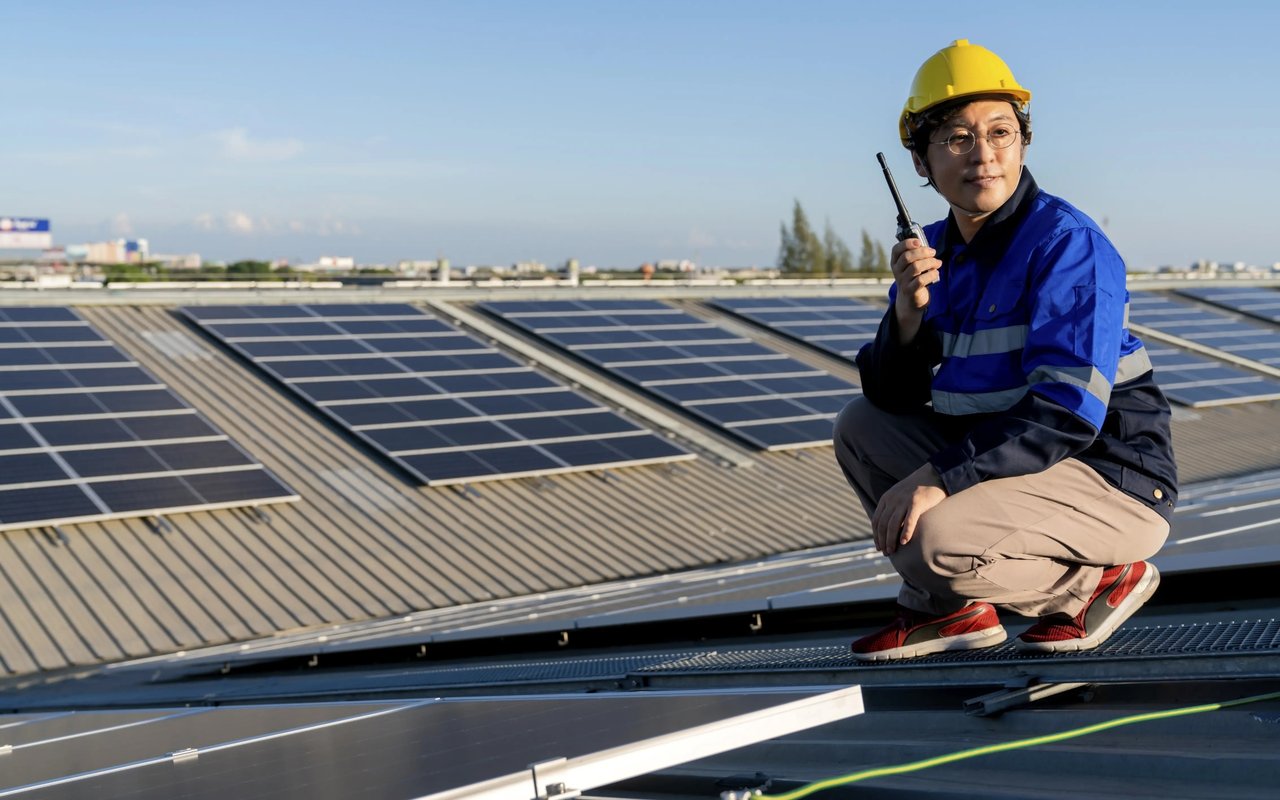
Before listing your home, have a qualified solar technician inspect the system. In Las Vegas's desert climate, panels face intense heat, dust, and UV exposure year-round — all of which can affect performance over time.
A proper inspection covers:
- Physical condition of the panels — cracks, discoloration, bent frames
- Wiring connections for signs of wear or corrosion
- Inverter performance and efficiency
- Overall production output compared to the system's rated capacity
This inspection gives both parties a clear, documented picture of the system's condition at the time of sale. It also identifies any maintenance needs that could come up as negotiating points. A system that checks out cleanly is a genuine selling point — average solar installations in Las Vegas cost around $30,000 before incentives, so buyers are inheriting significant value.
Step 4: Contact Your Solar Company Early
Don't wait until you're under contract to call your solar company. Contact them as soon as you decide to sell. Here's what you need from them:
- A current buyout quote (if the system is leased)
- Confirmation of the transfer process and timeline
- Any credit check or qualification requirements for the buyer
- Updated warranty and service agreement transfer documents
Solar companies have their own internal processes for ownership transfers, and some take several weeks to complete. Starting this process early prevents it from becoming a bottleneck at closing.
Your solar company will also update their records to reflect the new owner and ensure the new owner receives all relevant system information, including monitoring app access and service contacts.
Step 5: Review All Transfer Documents Carefully
Once your solar company provides the transfer paperwork, read everything before signing. These documents define each party's responsibilities after the transfer is complete.
Pay close attention to:
- Warranty terms — what's still covered and for how long
- Maintenance obligations — who is responsible for cleaning, repairs, and monitoring
- Insurance requirements — some solar agreements require the homeowner to carry specific coverage
- Liability clauses — who is responsible if the system causes damage after the transfer
- System condition at time of transfer — make sure this is documented clearly in writing
If anything in the documents is unclear, have a real estate attorney review them before signing. The Sandra Flores Team works with clients regularly on solar-related transactions and can connect you with the right professionals in Las Vegas.
Step 6: Update Loan Information (If Applicable)
If your solar system is financed with a loan that isn't paid off, you'll need to handle this before or at closing. Key steps include:
- Confirming the exact payoff amount with your lender
- Determining whether the loan can be assumed by the buyer and at what terms
- Checking for prepayment penalties or ownership transfer fees
- Ensuring the buyer's name and payment details are correctly recorded if they're assuming the loan
In many Las Vegas transactions, the solar loan is paid off from sale proceeds at closing — similar to how a home equity loan would be handled. Your escrow officer can help coordinate this.
Step 7: Schedule a Final System Inspection Before Closing
After all documents are signed and financing is sorted, arrange one final professional inspection before the transfer is complete. This gives the buyer peace of mind and confirms the system is in the condition that was represented during the sale.
The inspection should cover the panels, inverters, wiring, and overall installation. The technician will run performance tests and flag any last-minute maintenance needs. Once this inspection passes, both parties can close with confidence.
What Buyers Should Know Before Accepting a Solar Transfer in Las Vegas
If you're buying a Las Vegas home with solar panels, there are five things to confirm before closing:
- Confirm ownership — owned, leased, or PPA? Get the documentation.
- Check for liens — some solar loans are recorded as liens against the property.
- Request production data — ask for at least 12 months of NV Energy bills showing actual savings.
- Review the NV Energy net metering agreement — understand what rate the system earns on surplus production and when that rate was locked in.
- Model the economics — calculate what the monthly savings will actually be under current NV Energy rates, including the demand charge added in April 2026.
All five of these should be completed within the first five business days of escrow.
Working With a Las Vegas Realtor Who Understands Solar
Solar panel transfers are common in Las Vegas — and they don't have to be complicated if both sides are prepared. The Sandra Flores Team has guided buyers and sellers through solar transactions across Las Vegas, Summerlin, Henderson, Peccole Ranch, and surrounding communities.
Whether you're selling a home with owned panels, navigating a lease assumption, or buying a property and want to understand exactly what you're taking on, our bilingual team is here to walk you through every step in both English and Spanish.
Contact the Sandra Flores Team today to get expert guidance on your Las Vegas real estate transaction.