Deciding between renting and buying in Las Vegas 55+ communities requires careful consideration of several factors. Finding top real estate in Las Vegas means weighing financial costs, lifestyle preferences, maintenance responsibilities, community features, and your long-term plans. This guide explores the key differences between renting and buying in these communities, enabling you to make an informed decision that suits your needs and budget. Understanding these factors helps you choose the option that best supports your retirement lifestyle goals.
Financial Considerations
The financial aspect is often the most important factor when choosing between renting and buying in 55+ communities. Renting typically requires lower upfront costs - usually just a security deposit and the first month's rent. The monthly rent in Las Vegas 55+ communities averages around $2,000, which includes a range of services and amenities. Buying a home requires a down payment, closing costs, and ongoing expenses such as property taxes, insurance, and HOA fees.
The median home price in these communities is approximately $300,000. However, homeowners build equity over time and may benefit from increases in property value. Consider how long you plan to stay; renting is more cost-effective if it's less than five years. For longer stays, buying often makes more financial sense—factor in your current savings, monthly income, and other financial goals when making this decision.
Lifestyle Differences
Your lifestyle preferences play a big role in determining the best housing choice. Renters enjoy more flexibility and freedom to move without the hassle of selling property. This works well for people who like trying different areas or may need to relocate for family reasons. Renting also means less responsibility for major decisions about the property.
Buyers, on the other hand, can customize their homes to match their style and needs. You can paint walls, renovate spaces, and make the home truly yours. Homeownership also provides a sense of stability and permanence that many retirees value. Consider your personality - do you prefer flexibility and minimal commitment, or do you want the security and control that comes with owning your home?
Maintenance Responsibilities
Maintenance duties differ significantly between renting and buying. When you rent, the landlord or property management company handles most repairs and maintenance issues. This includes fixing appliances, addressing plumbing problems, resolving HVAC issues, and performing exterior maintenance. Renters typically only need to handle basic upkeep, like keeping the home clean and reporting problems promptly. Homeowners are responsible for all maintenance and repairs, which can be both expensive and time-consuming.
This includes routine tasks such as lawn care, appliance maintenance, and seasonal upkeep, as well as unexpected repairs like roof leaks or broken air conditioners. However, homeowners have control over when and how maintenance is done, and they can choose their contractors. Consider your ability and willingness to handle home maintenance when making your decision.
Community Amenities
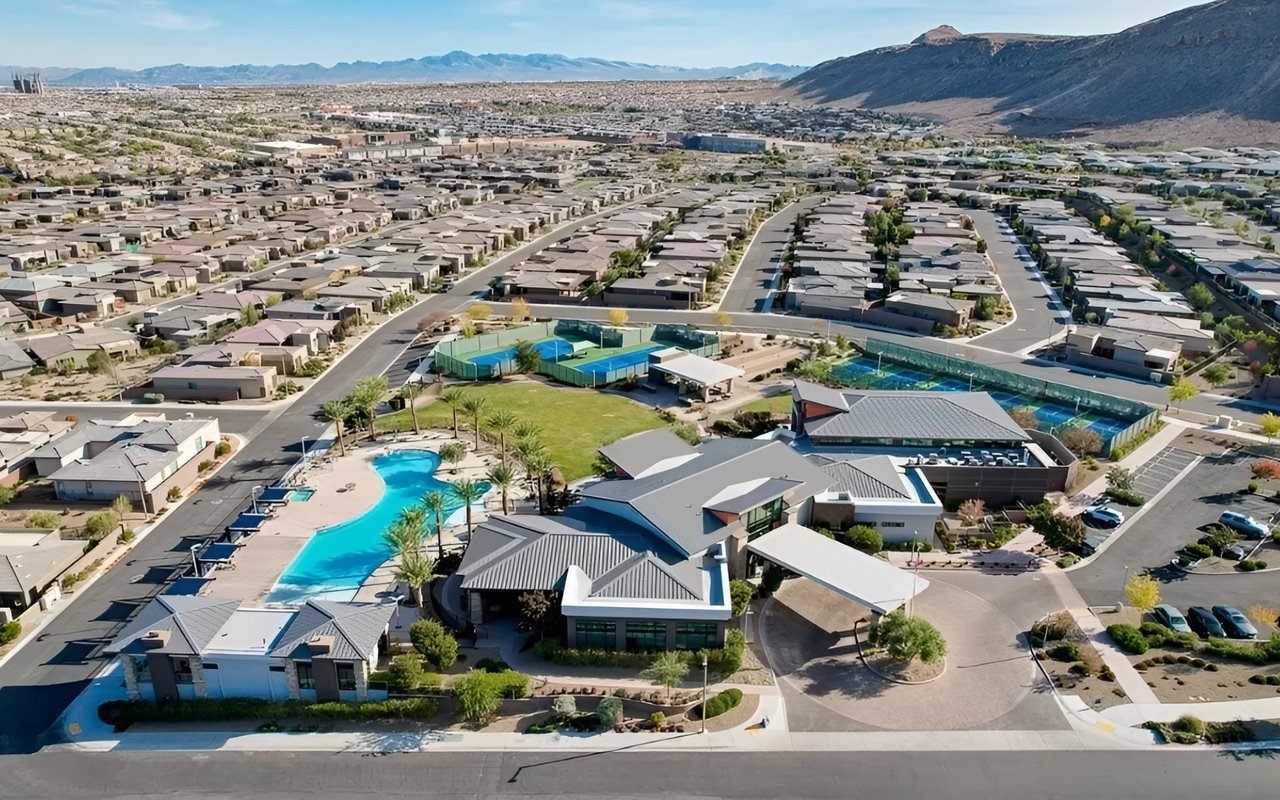
Most 55+ communities in Las Vegas offer attractive amenities that improve the quality of life for residents. These typically include fitness centers, swimming pools, golf courses, tennis courts, and clubhouses for social activities. Many communities also feature walking trails, parks, organized social clubs, and planned events. When renting, access to these amenities is usually included in your monthly rent with no additional investment required.
As a buyer, you'll pay for amenities through HOA fees, but you'll have more say in how the community is managed and what amenities are prioritized. Some communities may have different amenity access levels for renters versus owners; therefore, it is essential to check these details when considering your options. Think about which amenities matter most to you and how you plan to use them.
Flexibility and Long-Term Plans
Your plans should heavily influence your housing decision. Renting offers maximum flexibility, as most leases are typically one year long. This makes it easy to relocate if your health changes, your family needs to shift, or you want to try living somewhere else. Renting works well for people who aren't sure about staying in Las Vegas long-term or who want to test out community living before committing to buy.
Buying provides stability and allows you to establish a deep connection with the community. Homeownership makes sense if you're confident about staying in the area for many years and want the security of knowing your housing situation won't change unexpectedly. Consider factors such as your health, family location, and personal preferences regarding stability versus flexibility.