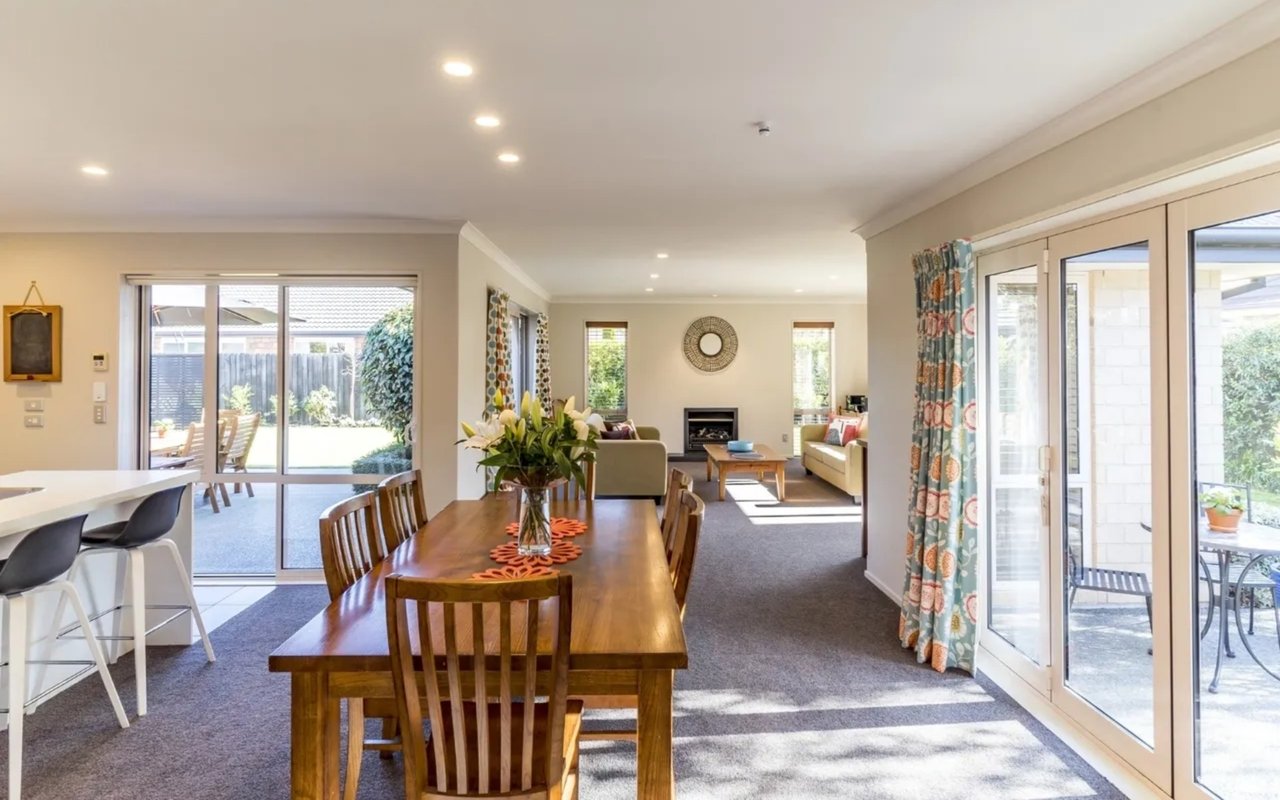
Creating a beautiful dining room involves combining the right elements to make your space both functional and stylish. This guide walks you through six key design tips that will help you create an impressive dining area. From selecting the perfect lighting to incorporating comfortable textiles, each tip builds upon the others to create a cohesive look.
These simple strategies work for any budget and style preference. Top-rated real estate professionals often recommend these design principles when staging homes to maximize their appeal.
Lighting Selection
Good lighting sets the mood for your dining room. Choose a chandelier that fits your table size; the light should be approximately half to three-quarters the width of your table. Install dimmer switches to adjust brightness for various occasions, from quiet dinners to lively parties.
Add wall lights or table lamps for extra brightness when needed. Mix different types of lighting - overhead lights for general brightness, task lighting for specific areas, and accent lights to highlight special features. This layered approach creates a warm and welcoming space that looks great both day and night.
Statement Furniture Pieces
Your dining table and chairs should be the stars of the room. Select a table that catches the eye, such as a glass-top table with an intriguing base or a wooden table with distinctive features. Choose chairs that stand out, too - upholstered seats with bold colors or patterns work well.
Add a sideboard or cabinet with special features, such as mirrors or interesting shapes, for both storage and style. Ensure that all your furniture pieces work together, each adding something special to the room's overall look.
Color Palette Harmony
Select colors that complement each other to achieve a polished appearance. Start with one main color that sets the tone of the room, such as deep blue or rich green. Add one or two complementary colors, such as soft pink or warm yellow, for added interest. Include metallic touches in gold or silver for a fancy feel.
Balance bright colors with neutral shades, such as white or gray, to prevent the room from feeling too busy. When colors work well together, your dining room will look cohesive and inviting.
Table Setting Mastery
A well-set table makes every meal feel special. Start by picking a theme or color scheme for your table. Use nice tablecloths or placemats that match your room's style. Layer your plates properly - chargers first, then dinner plates and smaller plates on top. Put forks on the left, knives and spoons on the right.
Add glasses for water and wine. Fold napkins nicely or use decorative napkin rings. Choose a centerpiece that doesn't obstruct people's view of each other across the table. These details make your dining experience feel more special.
Art and Decor Placement
Place artwork and decorations thoughtfully around your dining room. Keep these tips in mind:
- Balance: Spread pieces evenly so no area looks too crowded
- Scale: Pick decorations that fit the size of your walls and furniture
- Focus Point: Create one main area of interest, like a large painting or photo wall
- Lighting: Use proper lighting to show off your artwork
- Color Scheme: Match decoration colors with your room's colors for a unified look
Cozy Textiles Integration
Add soft fabrics to make your dining room more comfortable and inviting. Put cushions on chairs using materials like velvet or soft fabric. Place a rug under your dining table to define the space and add warmth to the area underfoot. Hang curtains made from rich fabrics to add texture and reduce noise.
Add throw pillows in colors that match your room's style. These soft touches make your dining room feel more welcoming and comfortable for long meals and conversations.